


Welcome to 2WP newsletter!
Today, we are diving into the fascinating world of yarrow, a plant that has been cherished for its medicinal properties for centuries. Whether you’re a seasoned herbalist or new to natural remedies, yarrow is a plant worth knowing about. Let’s explore its history, benefits, and practical uses.
History and Background
Yarrow (Achillea millefolium) is a perennial herb native to temperate regions of the Northern Hemisphere. It has a rich history dating back to ancient civilizations. The plant is named after the Greek hero Achilles, who, according to mythology, used yarrow to heal his soldiers’ wounds during the Trojan War.
Yarrow has been used across various cultures for its medicinal properties. Native Americans, for instance, utilized yarrow for its anti-inflammatory and pain-relieving qualities. In Europe, it was commonly used to stop bleeding and treat skin wounds.
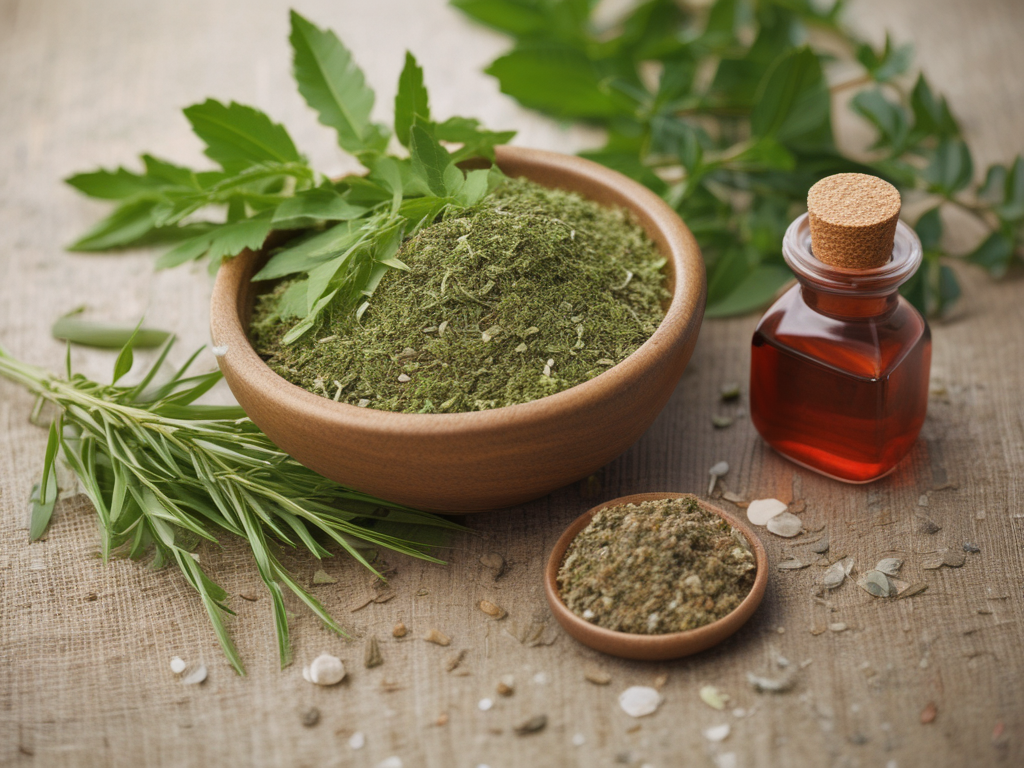
Medicinal Benefits
Yarrow is a powerhouse of therapeutic benefits, thanks to its diverse array of bioactive compounds. Here are some of its key medicinal properties:
- Anti-inflammatory: Yarrow contains flavonoids and sesquiterpene lactones that help reduce inflammation, making it useful for conditions like arthritis and skin irritations.
- Antimicrobial: The essential oils in yarrow have antimicrobial properties, which can help fight infections and support the immune system.
- Wound Healing: Traditionally known as a wound healer, yarrow can be applied topically to cuts and abrasions to speed up the healing process.
- Digestive Aid: Yarrow tea is often used to soothe digestive issues such as bloating, cramps, and indigestion.
- Menstrual Relief: The herb can help regulate menstrual cycles and alleviate menstrual cramps due to its antispasmodic and anti-inflammatory effects
How to Use Yarrow
Yarrow can be utilized in various forms, each suitable for different applications.
- Tea: Yarrow tea is easy to prepare. Simply steep dried yarrow leaves and flowers in hot water for about 10 minutes. This tea can help with digestive issues and colds.
- Tincture: A tincture is a concentrated liquid extract made by soaking yarrow in alcohol. It’s convenient for taking yarrow internally or applying it topically.
- Poultice: Fresh yarrow leaves can be crushed and applied directly to wounds, cuts, or insect bites to promote healing and reduce inflammation.
- Infused Oil: Yarrow-infused oil can be used in massage or added to homemade skin care products for its anti-inflammatory and antimicrobial benefits.

Growing Yarrow
Yarrow is relatively easy to grow, making it a great addition to any herb garden. Here are some tips:
- Location: Plant yarrow in a sunny spot with well-drained soil. It can tolerate poor soil conditions but prefers a slightly alkaline pH.
- Watering: Yarrow is drought-tolerant once established, so it doesn’t require frequent watering. Overwatering can lead to root rot.
- Maintenance: Yarrow can spread aggressively, so it’s important to manage its growth. Regular pruning can help keep it under control and encourage bushier growth, or, plant in an area where you’ll enjoy a beautiful meadow of yarrow.
- Bonus: Yarrow is deer resistant so it is a valuable asset to our gardens.
Fun Facts
- Yarrow is a great addition to any bee garden and is often used in companion planting. Yarrow attracts beneficial insects such as predatory beetles, ladybugs, and parasitoid wasps. These insects help control pest populations, reducing the need for chemical pesticides and promoting a healthier, more balanced ecosystem.
- It also improves the health of your soil. Yarrow is known as a dynamic accumulator, meaning it draws up nutrients like potassium, calcium, phosphorus, and magnesium from deep within the soil. When yarrow leaves die and decompose, these nutrients are returned to the soil surface, making them more accessible to other plants.
- The plant’s feathery leaves were once used as a substitute for hops in beer brewing, giving it a mildly bitter flavor.
- Yarrow flowers come in various colors, including white, yellow, pink, and red, making it a decorative addition to gardens. 2 Wild Poppies has a great selection of yarrow available.
We hope you enjoyed learning about the natural healing flower, yarrow. Whether you’re looking to explore natural remedies or enhance your garden, yarrow offers a wealth of benefits and uses. Remember, always seek advice from your medical professional. Some herbal remedies, although natural, may impact medications and your current medical condition.
Stay tuned for next month’s edition, where we’ll delve into another fascinating herb!
Stay healthy and happy, The 2WP Team